

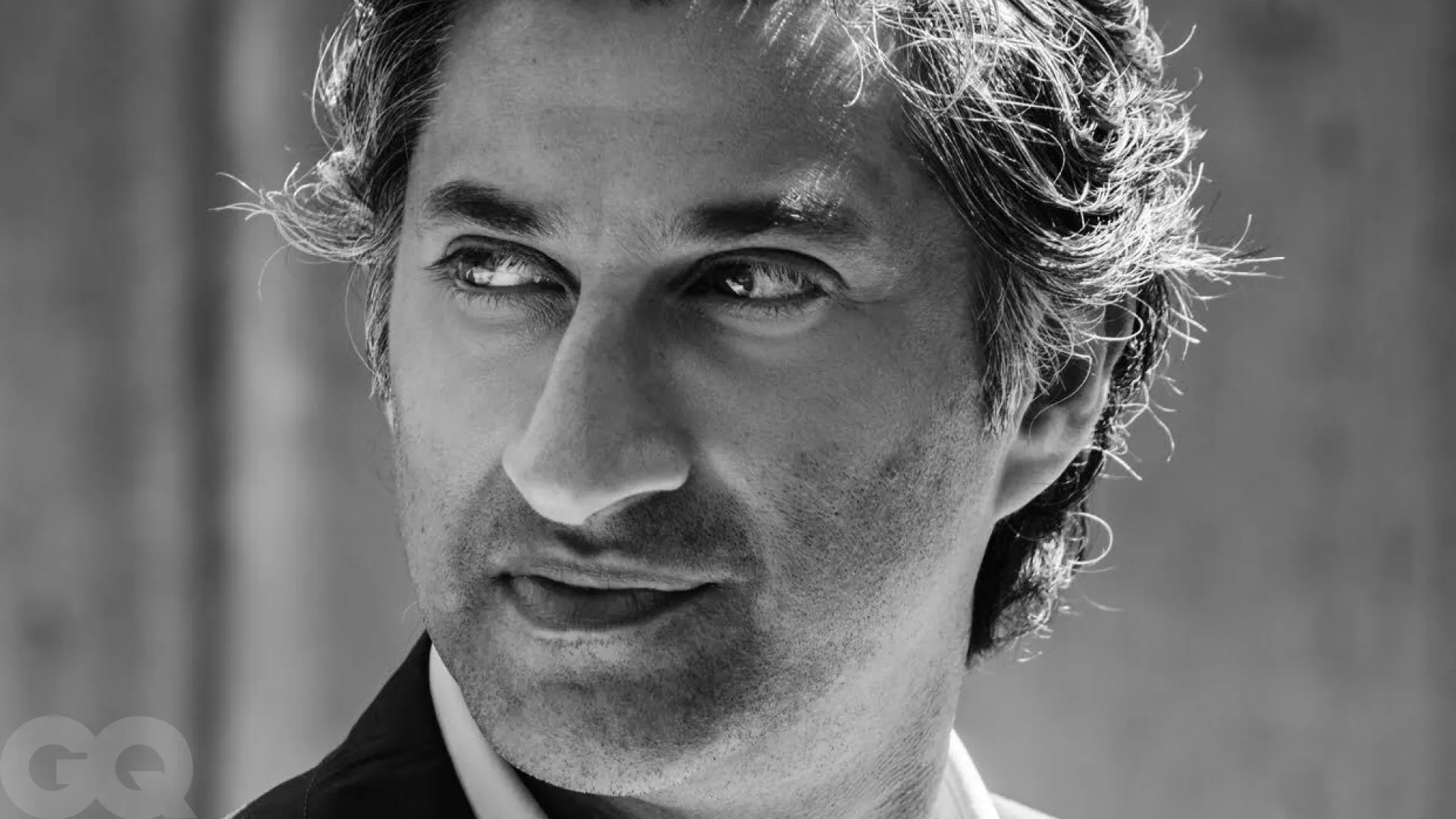
The filmmaking career of Asif Kapadia has consistently revolved around the question of how images preserve memory and how those memories can be reshaped for present audiences. His signature use of archival footage in Senna, Amy, and Diego Maradona illustrated the fragility of personal histories when refracted through public spectacle. Rather than rely on talking heads, he assembled lives through fragments of video, interviews, and music, allowing viewers to construct their own emotional journey. This approach has become his hallmark and positioned him at the forefront of contemporary documentary practice.
With 2073, Asif Kapadia extended this philosophy into speculative territory. Instead of reconstructing a past life, the film transforms existing footage into an imagined future, asking viewers to see present crises as seeds of what might come. Archival materials of disasters, protests, and leaders are repurposed as fragments of a dystopian tomorrow. The technique is disorienting because the source material is so familiar, yet the context renders it uncanny. Audiences find themselves asking whether they are watching recorded history or glimpsing an inevitable projection of the years ahead.
The protagonist Ghost, played by Samantha Morton, embodies the tension between remembrance and invention. Living in underground ruins, she navigates a world where fragments of old broadcasts and news footage haunt her reality. Her voice connects scenes of technological surveillance, environmental destruction, and authoritarian rule. Through her, Asif Kapadia presents a narrative that is at once personal and collective, merging lived experience with imagined consequence. The interplay ensures that the viewer perceives Ghost not only as a character but also as a witness to our own moment in time.
This blending of fiction and nonfiction draws inspiration from earlier experimental works such as Chris Marker’s La Jetée. Yet the methods Asif Kapadia deploys are uniquely contemporary, incorporating LED stage technology and advanced editing systems to merge dramatized performances with documentary footage. The decision to divide responsibilities between editors Chris King and Sylvie Landra reinforced the dual nature of the project, creating two distinct but interdependent visual languages. The outcome is a film that is not easily categorized, existing at the border of essay, reportage, and science fiction.
Audience responses to 2073 reveal the flexibility of the film’s design. In Spain, viewers focused on sequences depicting floods and environmental collapse, while screenings in the United States drew attention to the political parallels. This variability reflects Asif Kapadia’s ability to construct works that resonate differently across cultures, underscoring how shared imagery acquires distinct meanings in diverse contexts. The film becomes less a fixed statement and more a mirror reflecting local anxieties.
What unites his projects is a belief in cinema as a form of investigation. In his earlier films, Asif Kapadia approached his subjects almost like a detective, sifting through evidence and piecing together truths that others had overlooked. That investigative spirit persists in 2073, though the object of inquiry has shifted from an individual life to collective systems of power. The same patience, attention to detail, and trust in imagery drive the work, but now they are directed at patterns of surveillance, populism, and environmental decline.
By merging memory with speculation, Asif Kapadia has expanded the boundaries of documentary form. His work illustrates how cinema can function as both testimony and warning, grounding its revelations in what has already occurred while insisting on the consequences of inaction. In 2073, the familiar becomes estranged, and the act of remembering transforms into a call to confront what is unfolding in real time.

Comments are closed.