

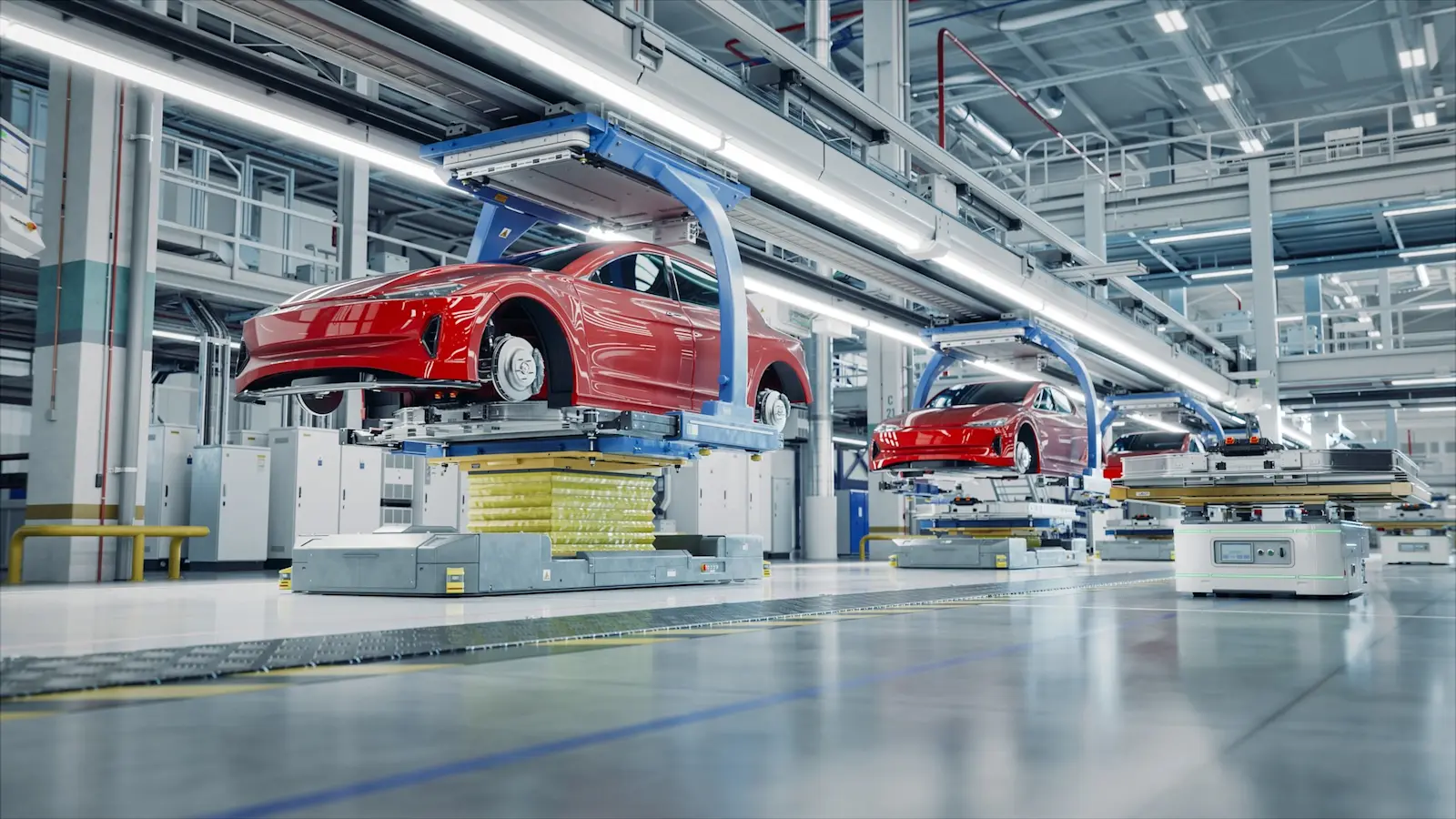
The automotive industry is one of the most dynamic sectors in the global economy, shaping transportation, innovation, and everyday life. From the earliest steam-powered carriages to the latest advancements in electric and autonomous vehicles, automotive engineering continues to evolve at an astonishing pace. Understanding the trajectory of this industry provides valuable insights into not only technological progress but also economic growth, environmental impact, and cultural shifts.
A Historical Perspective
The origins of the automotive sector can be traced back to the late 19th century, when inventors such as Karl Benz and Henry Ford revolutionised mobility. The shift from horse-drawn carriages to motor vehicles represented a profound cultural change, symbolising modernity and efficiency.
Key Milestones in Automotive History
-
1886: Karl Benz patents the first true motorcar, powered by a single-cylinder petrol engine.
-
1908: Henry Ford introduces the Model T, making cars affordable through assembly line production.
-
1950s–60s: Cars become symbols of status and freedom, particularly in Western societies.
-
1990s: Growing awareness of environmental issues sparks interest in hybrid and electric vehicle technology.
-
21st century: Digital integration, AI, and automation become central to vehicle design and function.
The Modern Automotive Landscape
Today’s automotive industry is characterised by rapid innovation, global competition, and a strong emphasis on sustainability. Manufacturers are not just producing cars; they are redefining what mobility means.
Features of Modern Vehicles
-
Electrification: A major shift towards battery-powered and hybrid cars.
-
Advanced Safety Systems: Lane departure warnings, automatic braking, and adaptive cruise control.
-
Connectivity: Integration of infotainment systems, real-time navigation, and smartphone connectivity.
-
Sustainability: Emphasis on lowering carbon footprints with recyclable materials and eco-friendly designs.
The Rise of Electric Vehicles
One of the most notable transformations in the automotive sector is the widespread adoption of electric vehicles (EVs). They are seen as a practical response to climate concerns, reducing reliance on fossil fuels.
Benefits of Electric Cars
-
Zero tailpipe emissions, improving urban air quality.
-
Lower running and maintenance costs compared to internal combustion engines.
-
Government incentives and subsidies encouraging adoption.
-
Rapid advancements in battery technology, extending driving ranges.
Challenges Ahead
-
Charging infrastructure still requires major expansion.
-
Battery recycling and raw material sourcing pose environmental concerns.
-
Initial purchase costs remain higher than traditional vehicles.
Autonomous Driving and Artificial Intelligence
The introduction of self-driving technology marks another frontier. By using sensors, cameras, and artificial intelligence, vehicles can now operate with minimal human intervention.
Levels of Autonomy
-
Level 1–2: Driver assistance features such as adaptive cruise control.
-
Level 3: Conditional automation, allowing drivers to disengage in certain conditions.
-
Level 4–5: Fully autonomous vehicles, capable of handling all driving scenarios without human input.
Autonomous driving has the potential to reduce accidents, optimise traffic flow, and reshape urban infrastructure. However, ethical, regulatory, and technical challenges remain unresolved.
The Role of Sustainability
Sustainability is no longer an optional consideration in the automotive world. With increasing global regulations and consumer demand for environmentally conscious solutions, manufacturers are embedding eco-friendly practices into their operations.
Sustainable Practices in the Industry
-
Development of recyclable and lightweight materials.
-
Use of renewable energy sources in manufacturing plants.
-
Circular economy approaches, including remanufacturing and component reuse.
-
Partnerships with green energy providers to support EV charging networks.
Future of Mobility
Looking ahead, the automotive industry is likely to become more integrated with smart technologies and urban planning. The concept of “mobility as a service” (MaaS) is gaining traction, shifting the focus from ownership to accessibility.
Trends Shaping the Future
-
Shared Mobility: Car-sharing and ride-hailing platforms.
-
Smart Infrastructure: Roads embedded with sensors to communicate with vehicles.
-
Hydrogen Fuel Cells: Emerging as an alternative for heavy-duty transport.
-
Personalisation: Cars that adapt settings automatically to suit driver preferences.
Impact on Society and Economy
The automotive industry is more than just cars; it drives employment, trade, and innovation. It employs millions globally and serves as a hub for cross-industry collaboration with technology, energy, and telecommunications.
Economic Contributions
-
Major source of GDP in manufacturing economies.
-
Employment across design, engineering, production, and after-sales services.
-
Stimulus for related sectors such as steel, rubber, and digital services.
FAQs
What is the future of petrol and diesel cars?
While petrol and diesel vehicles will remain in use for decades, many countries have announced plans to phase them out, often targeting bans on new sales by 2035. This is pushing manufacturers to prioritise electric and hybrid alternatives.
Are electric cars truly environmentally friendly?
Electric cars significantly reduce tailpipe emissions, but environmental concerns remain around battery production and disposal. As recycling technology improves and renewable energy sources expand, EVs are expected to become even greener.
How safe are autonomous vehicles?
Autonomous vehicles undergo rigorous testing and, in many cases, have demonstrated fewer accidents caused by human error. However, safety standards and regulations are still evolving to ensure mass adoption.
What are the barriers to EV adoption in rural areas?
Limited charging infrastructure and longer travel distances pose challenges in rural regions. Expansion of charging stations and improvements in battery range are expected to address these issues over time.
Will shared mobility replace car ownership?
Shared mobility services are growing, particularly in urban environments. However, personal car ownership is unlikely to disappear entirely, especially in regions where public transport is less developed.

Comments are closed.