

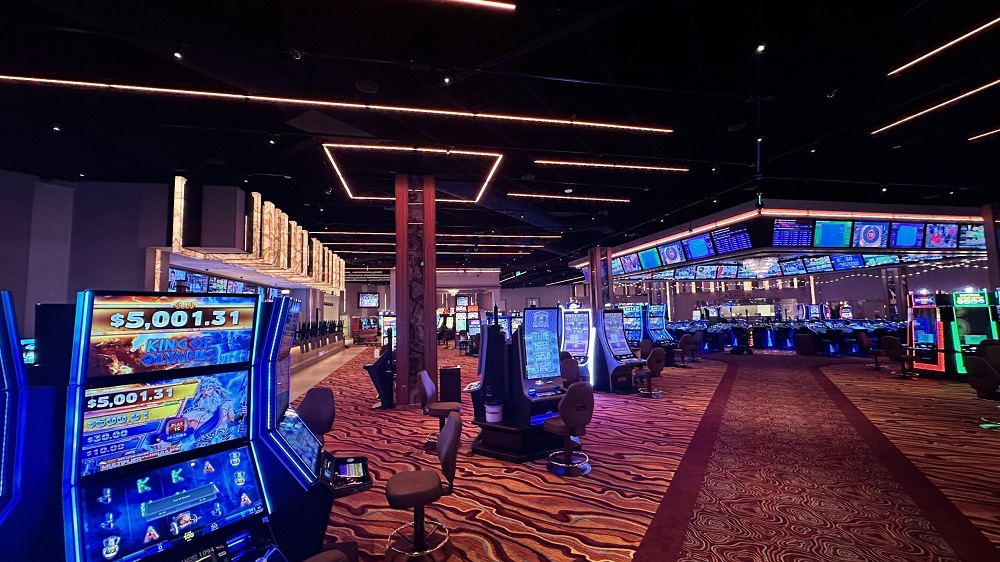
Casino games are not built by chance. Every sound, light, delay, and visual cue is carefully structured to influence attention, emotion, and behavior. Behind the flashing reels and spinning wheels lies a framework rooted in behavioral psychology, cognitive science, and neuroscience.
Understanding how these mechanisms work reveals why casino games feel immersive, fast-paced, and difficult to walk away from.
The Power of Variable Rewards
One of the strongest psychological principles in casino design is the variable ratio reinforcement schedule. This concept, drawn from behavioral psychology, explains why unpredictable rewards are more compelling than predictable ones.
Instead of paying out at fixed intervals, games like slot machines deliver wins randomly. The uncertainty keeps players engaged because:
- The next spin could be the big one
- The brain releases dopamine in anticipation, not just during a win
- Intermittent rewards create persistent behavior
This structure mirrors the mechanics that make social media feeds and video games addictive. The unpredictability sustains attention far longer than guaranteed outcomes.
Near Misses and the Illusion of Control
Casino games are engineered to simulate “almost winning.” A slot machine stopping just one symbol short of a jackpot activates the brain in a way similar to an actual win.
Why Near Misses Matter
- They trigger excitement rather than disappointment
- They increase motivation to keep playing
- They create the feeling that success is close
Even though each outcome is independent, the player’s mind interprets near wins as progress.
The Illusion of Control
Many games allow players to press buttons, choose numbers, or roll dice. While outcomes are random, these small actions foster a sense of influence. When players feel involved in the result, they are more emotionally invested.
This illusion strengthens commitment—even when the odds remain unchanged.
Sensory Engineering: Lights, Sounds, and Atmosphere
Casinos are immersive environments designed to stimulate the senses and minimize distractions.
Visual Stimulation
Bright colors, flashing animations, and celebratory graphics amplify excitement. Even small wins are accompanied by elaborate visual feedback, making modest payouts feel significant.
Sound Design
- Winning tones are upbeat and celebratory
- Near misses often include suspenseful audio
- Ambient noise maintains constant stimulation
The brain responds strongly to audio cues. In fact, sound effects often enhance perceived value more than the monetary amount won.
Environmental Control
Most casinos eliminate clocks and windows. Without natural time cues, players lose track of how long they’ve been playing. Comfortable seating and easy access to food and drinks reduce reasons to leave.
Losses Disguised as Wins
Modern slot machines frequently reward players with small payouts that are less than the initial bet. Despite being net losses, these outcomes are celebrated with lights and sounds.
This design strategy:
- Masks negative results
- Sustains motivation
- Creates emotional momentum
The player feels rewarded, even though they are gradually losing money.
Cognitive Biases at Play
Casino games leverage several well-documented mental shortcuts.
Gambler’s Fallacy
Players often believe that after a series of losses, a win is “due.” In reality, each spin or hand is statistically independent.
Sunk Cost Fallacy
After investing time or money, players feel compelled to continue to justify previous losses.
Availability Heuristic
Big jackpot winners are prominently advertised. These memorable stories distort perception of actual probability.
The Role of Speed and Frictionless Play
Modern electronic games reduce the time between bets. Faster cycles mean:
- More decisions per hour
- Increased emotional intensity
- Greater total spending over time
Digital interfaces eliminate physical friction. With cashless systems and instant payouts, the act of spending feels less tangible than handing over physical money.
Social Proof and Competitive Elements
Table games and multiplayer machines use social psychology to maintain engagement.
- Seeing others win increases optimism
- Crowded tables signal desirability
- Shared excitement amplifies emotional highs
Live dealers and interactive features create a communal atmosphere that reinforces participation.
Why Design Matters More Than Luck
Casino profitability does not depend on a single big winner. Instead, it relies on subtle, consistent behavioral nudges that extend playtime and increase repetition.
The core objective is not to trick players—but to sustain engagement. The more time spent playing, the more the mathematical house edge works in favor of the casino.
Understanding these design principles helps players make informed decisions and recognize when emotional responses are being influenced by engineered stimuli.
FAQ
1. Are casino games designed to be addictive?
They are designed to maximize engagement using psychological principles. While not inherently addictive for everyone, the reinforcement systems can encourage prolonged play, especially for vulnerable individuals.
2. Do near misses actually increase gambling behavior?
Research suggests that near misses stimulate motivation and can increase the desire to continue playing, even though they are statistically equivalent to losses.
3. Why do small wins feel so satisfying?
Because games amplify them with sound and visual feedback, triggering dopamine responses that make modest payouts feel larger than they are.
4. Is online casino design different from physical casinos?
Online platforms use similar psychological tactics but often increase speed, personalization, and convenience, which can intensify engagement.
5. Can understanding casino psychology reduce risky behavior?
Yes. Recognizing tactics such as variable rewards and illusion of control helps players maintain awareness and make more deliberate decisions.
6. Why do casinos avoid clocks and windows?
Removing time cues reduces awareness of duration, encouraging longer sessions.
7. Are skill-based casino games psychologically different from pure chance games?
Skill-based games still incorporate reinforcement mechanics, but they add perceived mastery and personal responsibility, which can increase emotional investment.

Comments are closed.