

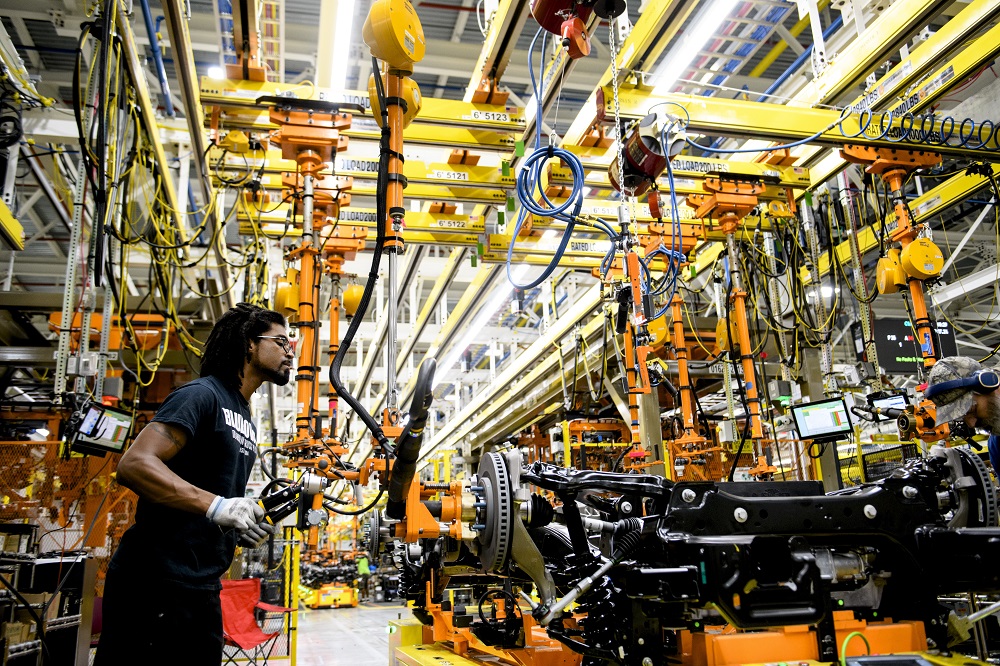
Climate change is no longer a distant environmental issue—it is a defining force in industrial transformation. The automotive industry, long associated with fossil fuels and heavy manufacturing, now finds itself under intense pressure to reduce emissions, redesign products, and modernize production systems.
What is unfolding is not a minor adjustment. It is a structural overhaul of how vehicles are engineered, assembled, powered, and delivered.
The Acceleration of Electric Vehicle Production
The most visible change is the rapid expansion of electric vehicle (EV) manufacturing. Governments are tightening emissions standards, cities are announcing future bans on gasoline-powered cars, and consumers are increasingly prioritizing sustainability.
Key Drivers Behind Electrification
-
Tougher carbon emission regulations
-
Government incentives for EV buyers and manufacturers
-
Corporate climate commitments
-
Rising fuel efficiency expectations
Automakers are redesigning vehicle platforms around battery-electric systems. This means new production lines, different supply partnerships, and heavy investment in battery technology. Traditional engine plants are being retooled or phased out, while battery gigafactories are expanding globally.
Electrification is not just about swapping engines for batteries—it fundamentally changes vehicle architecture and factory layout.
Decarbonizing Manufacturing Facilities
Producing a vehicle requires significant energy. Paint shops, stamping operations, and material processing facilities are particularly energy-intensive. As climate concerns intensify, automakers are cutting emissions within their own operations.
Sustainable Manufacturing Initiatives
-
Installing rooftop solar and wind energy systems
-
Switching to renewable electricity contracts
-
Improving energy efficiency in paint and welding processes
-
Recycling water and reducing industrial waste
Many manufacturers now aim for carbon-neutral production plants within the next decade. This shift not only reduces environmental impact but also improves long-term cost stability as carbon pricing expands.
Climate Disruptions and Supply Chain Vulnerability
Extreme weather events—floods, hurricanes, heatwaves, and wildfires—are becoming more frequent and severe. Automotive supply chains, which depend on precise timing and global sourcing, are increasingly exposed to disruption.
Climate-Related Supply Risks
-
Flooded factories halting production
-
Port closures delaying shipments
-
Raw material shortages due to environmental damage
-
Infrastructure failures affecting logistics
To reduce risk, companies are diversifying suppliers, reshoring critical production, and building buffer inventories. Climate resilience is now integrated into supply chain strategy.
Raw Materials and the Battery Boom
The shift toward electric mobility has sharply increased demand for lithium, cobalt, nickel, and rare earth elements. Mining and processing these materials can carry environmental and ethical concerns.
Manufacturers are responding by:
-
Investing in battery recycling systems
-
Supporting responsible sourcing standards
-
Developing alternative battery chemistries
-
Advancing solid-state battery research
Circular production models are gaining momentum, where end-of-life batteries are repurposed or recycled into new ones.
Regulatory Pressure Is Redefining Strategy
Public policy is a major force shaping automotive decisions. Carbon pricing mechanisms, fuel economy mandates, and zero-emission vehicle quotas are altering cost structures and investment priorities.
Automakers must now account for:
-
Fleet-wide emission caps
-
Lifecycle carbon reporting
-
Sustainability disclosure requirements
-
Incentives tied to domestic battery production
Rather than reacting to regulation, companies are proactively aligning product roadmaps with future policy trends.
Workforce Transformation and Skills Evolution
Climate-driven technological change is altering the types of expertise required in vehicle production. Electric vehicles contain fewer mechanical parts but rely heavily on electronics, software, and battery systems.
Emerging Workforce Trends
-
Growing demand for electrical engineers and software developers
-
Retraining programs for traditional assembly workers
-
Increased automation in EV production
-
Expansion of battery manufacturing jobs
The transition presents both challenges and opportunities for labor markets worldwide.
Lightweight Materials and Design Innovation
Reducing emissions does not end with electrification. Improving efficiency through better design also plays a key role.
Manufacturers are incorporating:
-
High-strength steel and aluminum alloys
-
Carbon fiber composites
-
Recycled and bio-based plastics
-
Enhanced aerodynamic structures
Lighter vehicles require less energy to operate, extending electric driving range and reducing overall lifecycle emissions.
Financial and Investment Shifts
Adapting to climate realities requires substantial capital investment. However, companies that fail to modernize risk losing competitive ground.
Investors increasingly evaluate automotive firms based on:
-
Environmental, Social, and Governance (ESG) performance
-
Carbon neutrality commitments
-
Sustainable supply chain transparency
-
Long-term electrification strategies
Climate alignment is no longer optional—it influences access to capital and brand reputation.
Looking Ahead: A Structural Industry Transformation
Climate change is reshaping auto manufacturing at every level—from the factory floor to the boardroom. Electrification, sustainable production, resilient supply chains, and new materials are redefining how vehicles are made.
The transformation is ongoing, and the pace is accelerating. Manufacturers that innovate and adapt will lead the next era of mobility. Those that resist will face regulatory pressure, supply disruptions, and declining market relevance.
The automotive industry is not simply responding to climate change—it is being rebuilt around it.
Frequently Asked Questions (FAQs)
1. How does climate change directly impact vehicle manufacturing facilities?
Extreme weather events can disrupt production by flooding plants, damaging infrastructure, and interrupting power supplies, leading to costly shutdowns.
2. Why are automakers investing heavily in battery production?
Battery technology is central to electric vehicles. Securing supply and improving efficiency are critical for competitiveness and meeting emissions targets.
3. Are electric vehicles completely carbon-neutral?
Not entirely. While EVs produce zero tailpipe emissions, their overall environmental impact depends on manufacturing processes and electricity sources.
4. How are automakers reducing emissions in their supply chains?
Companies are sourcing renewable energy, auditing suppliers for sustainability compliance, and relocating production closer to major markets.
5. What role does recycling play in sustainable auto manufacturing?
Recycling reduces dependence on newly mined materials and lowers the environmental footprint of battery and vehicle production.
6. Will climate regulations increase vehicle prices?
Short-term costs may rise due to new technologies and compliance requirements, but long-term efficiencies and economies of scale can stabilize pricing.
7. How is automation connected to climate-focused manufacturing?
Automation improves precision and efficiency, reduces material waste, and supports high-tech EV assembly processes.

Comments are closed.