

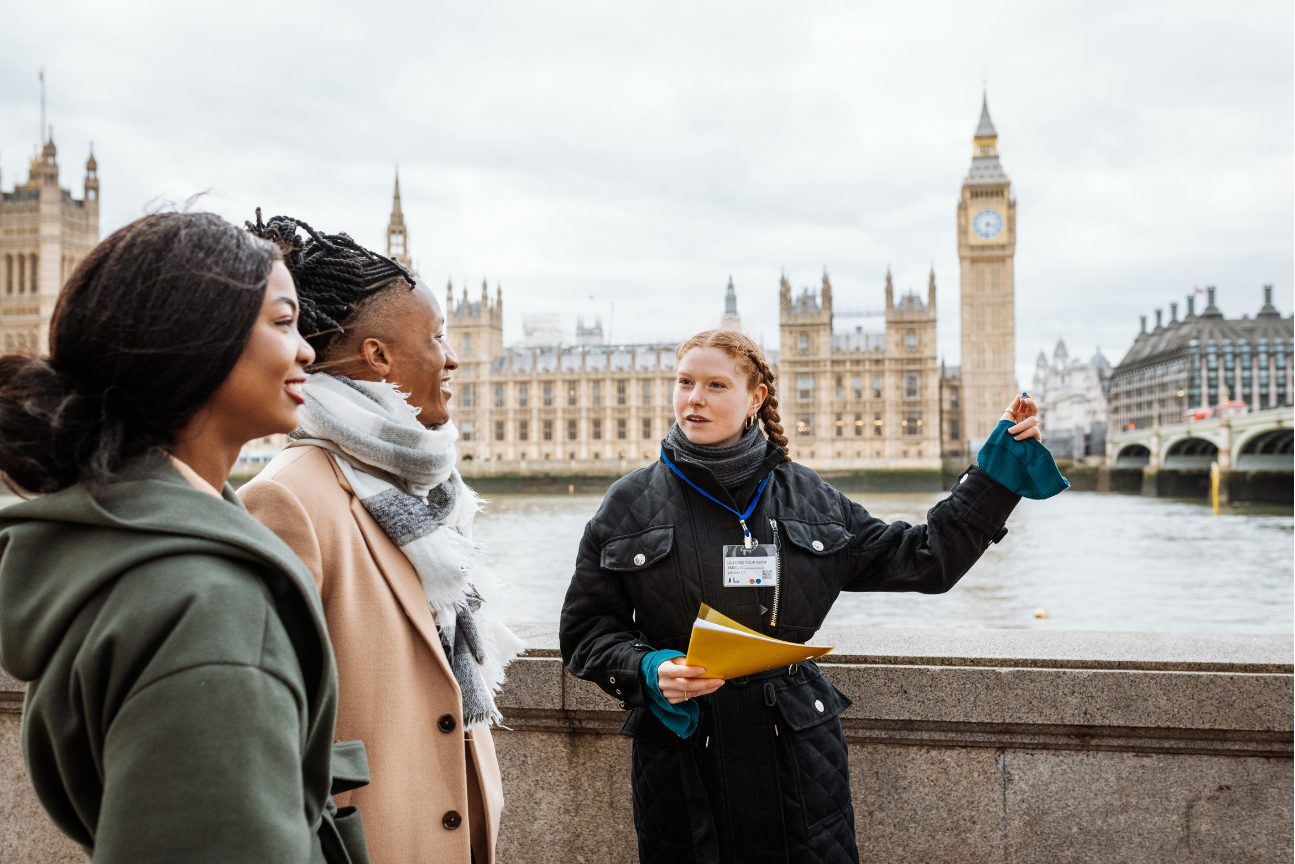
Travel has always been one of the most enriching experiences in life, offering a chance to discover new cultures, landscapes, and perspectives. Whether it’s a weekend city break or a months-long backpacking adventure, travel allows us to step outside our routines and broaden our horizons. Beyond being a leisure activity, it has become an essential aspect of personal growth, professional opportunities, and even mental wellbeing.
Why Travel Matters
Travelling is not only about reaching a destination but also about the journey itself. It gives us opportunities to connect with people from different walks of life, taste authentic cuisines, and witness traditions that may be centuries old. Many travellers often use it as a way to rejuvenate and gain inspiration.
Benefits of Travel
-
Cultural enrichment: Exposure to different customs and traditions helps develop empathy and open-mindedness.
-
Improved wellbeing: A change of environment can reduce stress and improve mental health.
-
Skill-building: Travelling often enhances problem-solving, adaptability, and communication skills.
-
Memorable experiences: The stories and encounters from travel often stay with us for a lifetime.
Choosing the Right Destination
Selecting a destination can shape the entire travel experience. Some people choose based on historical interest, while others look for adventure or relaxation.
Factors to Consider
-
Season and weather: Visiting during the right season can make or break a trip.
-
Budget: Aligning your finances with the cost of living in a chosen destination is essential.
-
Travel style: Whether you prefer luxury hotels, homestays, or backpacking will influence your options.
-
Cultural significance: Historical sites, local festivals, and regional customs can provide more depth to your journey.
Planning Your Trip
Good planning can turn a stressful journey into a smooth and enjoyable one. While spontaneity has its charm, a thoughtful plan saves time, money, and energy.
Steps for Effective Planning
-
Research your destination: Learn about its culture, rules, and safety considerations.
-
Create a flexible itinerary: Structure your days but leave room for unplanned discoveries.
-
Book in advance: Accommodation, flights, and major attractions often get more expensive closer to the date.
-
Pack wisely: Carry essentials but avoid overpacking; focus on comfort and versatility.
-
Prepare documents: Ensure passports, visas, and travel insurance are in order.
Sustainable Travel
Modern travellers are becoming more aware of their environmental impact. Sustainable travel is about reducing harm to local communities and ecosystems while maximising positive contributions.
Tips for Eco-Friendly Travel
-
Choose eco-certified accommodation.
-
Support local businesses and artisans.
-
Reduce plastic use by carrying reusable bottles and bags.
-
Respect wildlife and natural habitats.
-
Opt for public transport, cycling, or walking whenever possible.
Types of Travel Experiences
Travel can take many forms, and each type offers a different way of engaging with the world.
Adventure Travel
Perfect for those who seek thrill and excitement, such as trekking, scuba diving, or mountain climbing.
Cultural Travel
Focused on exploring heritage, museums, art, and traditions, giving insight into the soul of a community.
Wellness Travel
Centred around relaxation, yoga retreats, spas, and natural healing therapies.
Solo Travel
Empowers individuals to explore independently, often leading to personal growth and confidence.
Family Travel
Allows bonding through shared experiences, whether on a beach holiday or cultural city tour.
Embracing Local Culture
The most rewarding travel moments often come from engaging with locals and their way of life. Instead of just visiting landmarks, immerse yourself in authentic experiences.
-
Attend community events and local markets.
-
Learn basic phrases in the local language.
-
Participate in cooking classes or craft workshops.
-
Respect cultural norms and dress codes.
Technology and Travel
In today’s digital world, technology has transformed how people travel. From booking flights online to navigating with maps, it simplifies and enhances every step of the journey.
Useful Travel Tools
-
Mobile apps for navigation, translation, and accommodation.
-
Digital wallets for secure payments abroad.
-
Online reviews to make informed choices about restaurants and attractions.
-
Travel blogs and forums for first-hand experiences and tips.
Managing Travel Costs
One of the biggest concerns for many travellers is the budget. However, affordable travel is possible with smart strategies.
Cost-Saving Tips
-
Book flights during off-peak seasons.
-
Consider hostels, homestays, or budget hotels.
-
Use public transportation instead of taxis.
-
Look for city passes that cover multiple attractions.
-
Eat where locals dine rather than tourist hotspots.
Common Travel Challenges
Travel is rewarding, but it also comes with potential difficulties. Being prepared makes it easier to handle these challenges.
-
Language barriers: Use translation apps or carry a pocket dictionary.
-
Health risks: Stay updated on vaccinations and carry a basic medical kit.
-
Lost luggage: Pack essentials in your carry-on.
-
Cultural misunderstandings: Research etiquette beforehand to avoid offending locals.
Real-Life FAQ on Travel
How can I stay safe while travelling solo?
Staying safe involves being aware of your surroundings, avoiding risky areas, and keeping family or friends updated about your plans. Carrying only necessary cash and securing valuables in a hotel safe also adds a layer of protection.
What’s the best way to deal with jet lag?
Adjust your sleep schedule gradually before your trip, stay hydrated, and get sunlight exposure upon arrival. Short naps can help, but avoid sleeping too long during the day.
How do I find authentic local experiences?
Instead of relying solely on guidebooks, interact with locals, try neighbourhood eateries, and explore areas outside main tourist spots. Guided tours by locals often provide hidden gems.
Is travel insurance worth it?
Yes, it can save you from huge expenses in cases of medical emergencies, lost luggage, or trip cancellations. It is particularly essential for international travel.
How can I reduce stress at airports?
Arrive early, keep documents organised, and use online check-in to save time. Carrying light snacks and a book can make waiting more pleasant.

Comments are closed.