

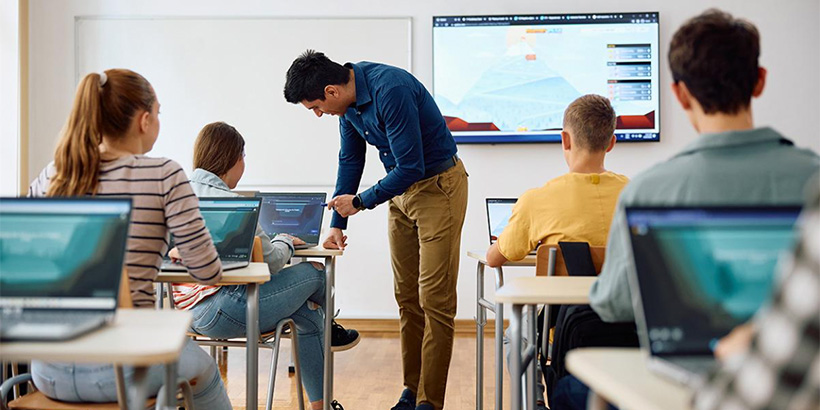
Technology has reshaped how students learn and how educators teach. When thoughtfully integrated, digital tools can increase engagement, streamline instruction, and support diverse learning needs. The goal is not to use technology for its own sake, but to enhance teaching practices and improve student outcomes.
Below are practical, research-informed approaches teachers can apply to make technology meaningful and effective in their classrooms.
Align Technology With Learning Goals
Every lesson begins with a clear objective. Digital tools should support that objective rather than distract from it.
Before introducing any platform or application, consider:
-
What specific skill or concept should students master?
-
How does this tool improve understanding?
-
Does it encourage deeper thinking or creativity?
For example:
-
Use interactive simulations to explain scientific processes.
-
Incorporate digital storytelling tools to develop writing skills.
-
Apply data visualization software to strengthen analytical reasoning.
When learning outcomes guide decisions, technology becomes purposeful and impactful.
Foster Active Participation
Effective integration promotes active engagement, not passive consumption. Students should interact, create, and collaborate rather than simply watch videos or click through slides.
Practical methods include:
-
Live polls and quizzes for instant feedback
-
Discussion boards for reflective dialogue
-
Multimedia presentations created by students
-
Project-based assignments using digital research tools
Active learning builds retention, confidence, and critical thinking.
Differentiate Instruction Through Digital Resources
Classrooms include learners with varied abilities, backgrounds, and learning styles. Technology provides flexible solutions to meet these differences.
Teachers can:
-
Provide recorded lessons for review
-
Use adaptive learning platforms that adjust difficulty
-
Offer audio, visual, and text-based materials
-
Incorporate language support tools for multilingual students
Personalized access empowers students to progress at their own pace while maintaining high expectations.
Strengthen Collaboration and Communication
Digital tools extend collaboration beyond classroom walls. Students can work together in real time or asynchronously, building teamwork skills essential for modern workplaces.
Effective strategies include:
-
Shared online documents for group writing
-
Virtual brainstorming sessions using collaborative boards
-
Peer review through structured digital feedback tools
-
Video conferencing for remote discussions
These approaches encourage accountability, communication, and shared responsibility.
Use Data to Inform Instruction
Many educational platforms provide analytics that help teachers monitor progress and identify learning gaps.
Data can be used to:
-
Track student performance trends
-
Identify areas needing review
-
Adjust pacing or instructional methods
-
Provide targeted support
Using data thoughtfully ensures instruction remains responsive and student-centered.
Encourage Digital Responsibility
Teaching students how to use technology responsibly is just as important as teaching academic content.
Educators should promote:
-
Respectful online communication
-
Source evaluation and information literacy
-
Awareness of digital footprints
-
Balanced screen time habits
Developing these skills prepares students to navigate digital environments safely and ethically.
Keep Professional Growth Ongoing
Technology evolves rapidly. Continuous learning helps teachers remain confident and effective in their integration strategies.
Professional growth may include:
-
Attending workshops or webinars
-
Participating in educator networks
-
Exploring new tools through guided experimentation
-
Reflecting regularly on what works and what does not
A growth mindset ensures that technology remains a support—not a challenge.
Frequently Asked Questions (FAQ)
1. How can teachers avoid technology becoming a distraction?
Set clear expectations, design structured activities, and ensure every digital tool has a defined instructional purpose.
2. What is the best way to introduce new technology to students?
Start small, provide demonstrations, and allow guided practice before expecting independent use.
3. How can technology support assessment?
Digital quizzes, interactive assignments, and analytics dashboards offer real-time feedback and performance insights.
4. Is expensive technology necessary for effective integration?
No. Even basic tools like shared documents, presentation software, and educational websites can significantly enhance learning when used strategically.
5. How can teachers manage screen time effectively?
Balance digital activities with offline discussions, hands-on tasks, and collaborative exercises.
6. What skills should teachers prioritize when integrating technology?
Focus on instructional design, digital literacy, classroom management in digital environments, and data interpretation.
7. How can technology improve student motivation?
Interactive content, multimedia creation, and collaborative platforms make learning more engaging and relevant to students’ daily lives.

Comments are closed.