

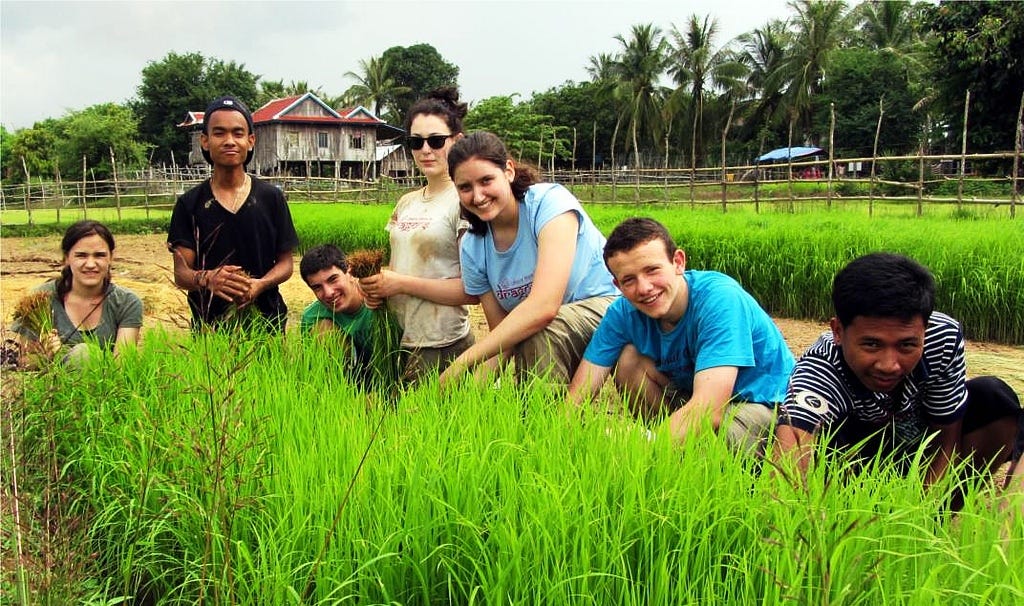
Local travel does far more than provide a relaxing escape. When people explore destinations close to home, they actively contribute to economic resilience, cultural preservation, and environmental protection. Unlike large-scale international tourism, community-focused travel keeps financial and social benefits within the region.
Below is a detailed look at how local tourism contributes to sustainable community development.
Strengthening Local Economies
The most immediate benefit of local tourism is its direct financial contribution to nearby businesses and workers. Every meal purchased, room booked, or ticket bought supports livelihoods.
Economic Advantages
-
Employment opportunities: Growth in hospitality, guiding services, transportation, and retail.
-
Support for entrepreneurs: Family-run shops, guesthouses, and markets gain consistent revenue.
-
Business diversification: Communities reduce reliance on a single industry.
-
Increased municipal revenue: Tourism-related taxes help fund public services.
Because many local enterprises are independently owned, profits tend to circulate within the area rather than leaving the community.
Protecting Cultural Heritage
Visitors are often drawn to a region’s history, traditions, and unique character. This demand creates motivation to maintain cultural assets.
Cultural Benefits
-
Preservation of historical landmarks
-
Promotion of regional cuisine and crafts
-
Organization of festivals and community events
-
Transmission of traditions across generations
As interest grows, communities develop stronger pride in their identity and traditions.
Improving Infrastructure and Public Spaces
Tourism encourages upgrades that benefit both residents and visitors. Investments typically focus on:
-
Road and transportation improvements
-
Park renovations and beautification projects
-
Clear signage and accessibility enhancements
-
Waste management and sanitation systems
These developments improve overall quality of life while making destinations more welcoming.
Supporting Environmental Sustainability
Responsible tourism can play a critical role in environmental conservation. Natural attractions such as forests, beaches, and wildlife areas become valuable assets that communities are motivated to protect.
Sustainable initiatives often include:
-
Eco-friendly accommodations
-
Conservation programs
-
Responsible visitor guidelines
-
Reduced waste and energy consumption
When managed thoughtfully, tourism supports long-term ecological balance.
Encouraging Community Collaboration
Local tourism often brings residents together around shared goals. Planning festivals, developing attractions, and improving services require cooperation among business owners, local authorities, and community groups.
This collaboration builds:
-
Stronger social networks
-
Greater civic engagement
-
Shared responsibility for local development
Communities that work together to enhance tourism often become more resilient and adaptable.
Creating Educational Opportunities
Local tourism fosters learning for both visitors and residents. Travelers gain insight into regional history and traditions, while residents expand their skills in customer service, hospitality, and entrepreneurship.
Educational impacts include:
-
Workshops and cultural demonstrations
-
Youth involvement in tourism initiatives
-
Increased awareness of local history
-
Skill development for small business owners
These opportunities contribute to long-term personal and community growth.
Long-Term Community Resilience
When balanced and well-managed, local tourism supports diversified income streams, stronger social bonds, and environmental awareness. Communities that embrace responsible tourism are better positioned to adapt to economic changes and external challenges.
Rather than being a short-term trend, local tourism can become a sustainable pillar of regional development.
Frequently Asked Questions (FAQ)
1. How does local tourism differ from international tourism?
Local tourism involves travel within a nearby region or country, while international tourism involves crossing national borders. Local tourism generally keeps spending within the domestic economy.
2. Can small rural communities benefit from tourism?
Yes. Rural areas often benefit significantly by attracting visitors interested in nature, culture, and authentic experiences, creating new income streams.
3. Does tourism always benefit local communities?
Not automatically. Benefits depend on responsible planning, fair distribution of income, and environmental management.
4. How can communities prevent over-tourism?
Communities can set visitor limits, promote off-season travel, invest in infrastructure, and implement sustainable tourism policies.
5. What role do local governments play in tourism development?
Local governments manage infrastructure, zoning regulations, marketing strategies, and sustainability standards to ensure tourism benefits residents.
6. How can travelers support local communities responsibly?
Travelers can choose locally owned accommodations, purchase handmade goods, respect cultural norms, and minimize environmental impact.
7. Is local tourism sustainable in the long term?
When properly managed with environmental safeguards and community involvement, local tourism can provide stable and sustainable economic growth for years to come.

Comments are closed.